Time Cards
Time Cards are a visual tool for exploring time differently.
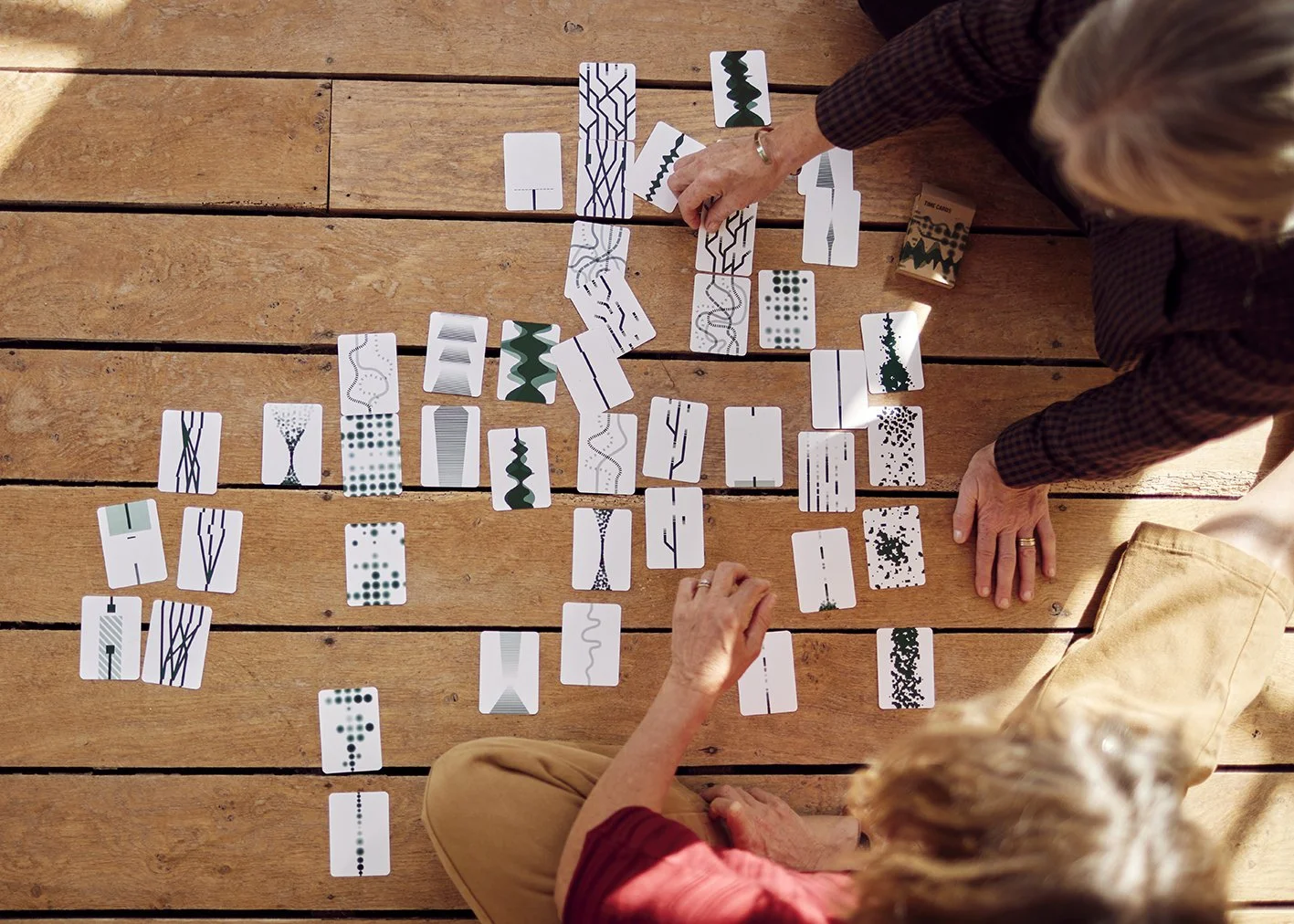
Most of the tools we use to plan and make decisions represent time as a straight line: timelines, calendars, project plans, and roadmaps. Time Cards offer another way. Through abstract images, they help people notice and work with the many temporalities that shape everyday life, organisations, communities, and environments.
Rather than describing a single meaning, each card invites interpretation. People use them to tell stories, explore relationships, surface assumptions, and imagine alternatives. The cards make it possible to express experiences of time that are often difficult to capture in words alone.
Developed through research at the University of Bristol, Time Cards support the practice of temporal imagination: expanding our capacity to notice, discuss, and shape time in pursuit of more just and sustainable futures.
What people say about the cards:
“The notation really challenged the models for representing time that I have in my head.”
“The cards are kind of mind expanding.”
“You see an externalisation of somebody else's thinking.”

Drawing for time
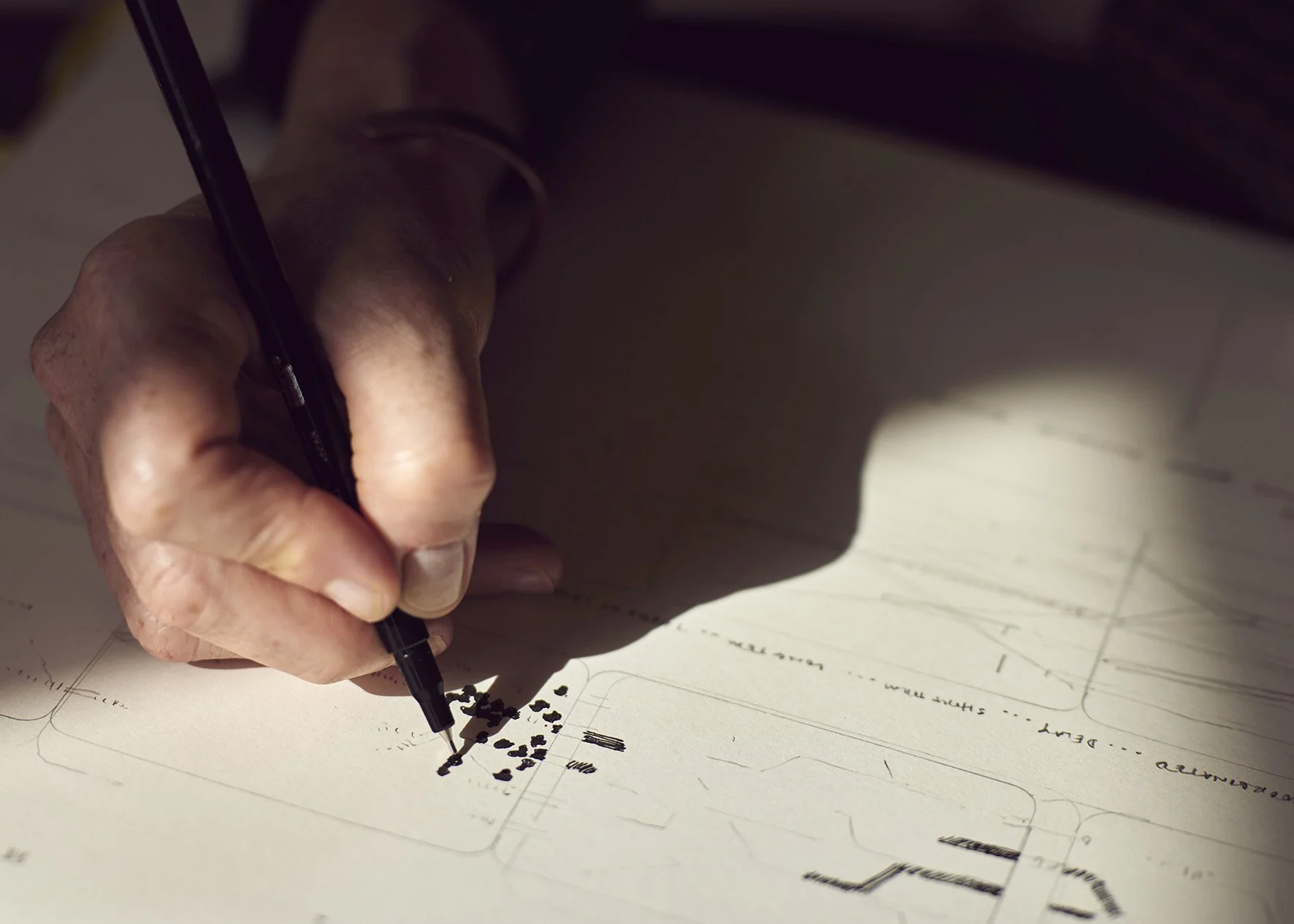
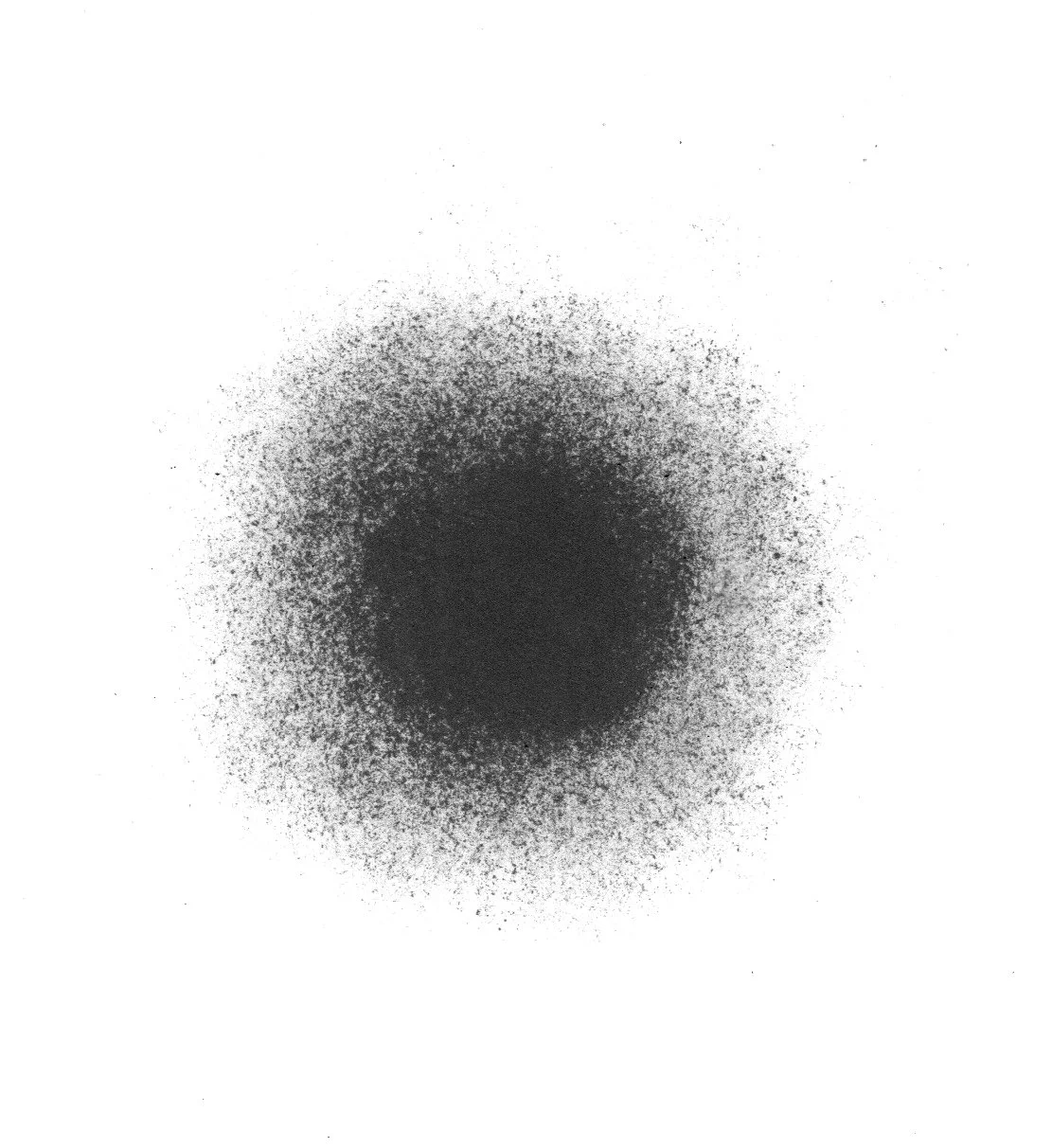
Early images were inspired by conversations about environmental change, including stories of waiting, acceleration, interruption, coordination, deep time, and slow ecological transformation. Rather than illustrating particular events or situations, these stories acted as prompts for exploring abstract visual forms.
Working with pencils, ink, digital tools, and found materials, images gradually emerged through processes of observation, experimentation, and reflection. Over time, these explorations developed into a visual vocabulary capable of expressing rhythm, duration, intensity, repetition, and change.
The resulting images are intentionally open. They can be continually reinterpreted, rearranged, and reconfigured, generating new meanings and relationships in different contexts.

Time Card practices
The cards support a growing collection of practices for individuals, groups, teams, and organisations. Some activities invite people to reflect on their own experiences of time. Others explore how different people, communities, species, technologies, or institutions live and work within different rhythms and timings.
By selecting, arranging, combining, and discussing cards together, participants can surface hidden assumptions, make sense of complexity, and explore relationships that might otherwise go unnoticed. The cards encourage curiosity, conversation, and collective reflection rather than searching for a single correct answer.
Whether used in workshops, teaching, strategy sessions, research, or creative inquiry, Time Card practices help people move beyond asking what should happen? to considering when, at what pace, and in relationship with which rhythms?
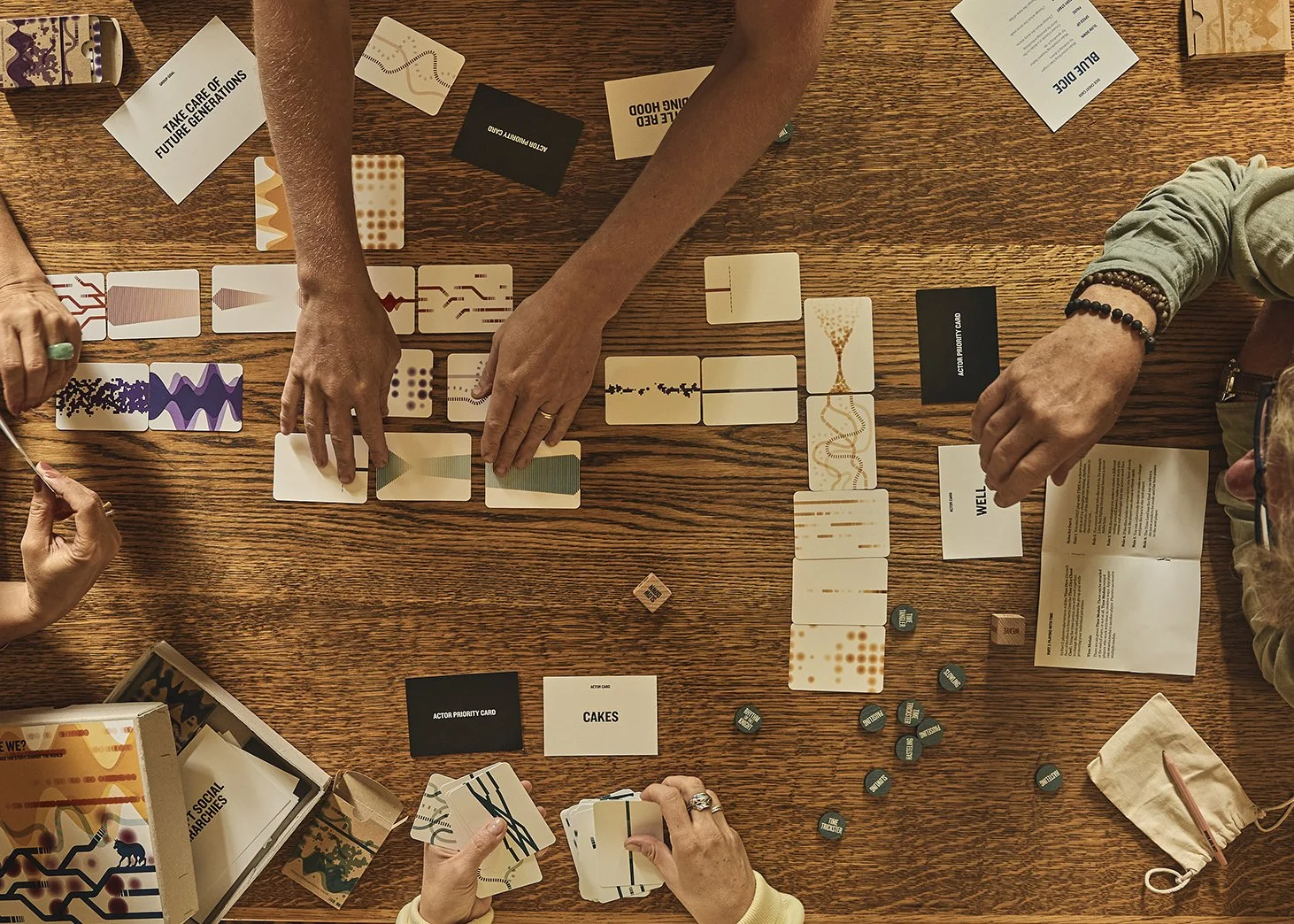
The cards are at the heart of the When are we? game, a collaborative tool for exploring time, change, and collective action.
They are also available as a Time Cards pack, which includes 45 cards and 18 practices designed for individuals, colleagues, teams, and groups.
How do you use Time Cards?
Time Cards can be used individually or with others. They support reflection, conversation, storytelling, planning, research, facilitation, and creative exploration. The cards form part of the When are we? game are are also available in individual packs along with 18 activities for individuals, colleagues, teams and goups.
Can I buy the Time Cards
The first edition of the Time Cards pack is currently in production and will be available in Autumn 2026.
FAQs
Who are the Time Cards for?
Time Cards are for anyone who is curious about time and how it shapes everyday life, work, relationships, and change. They have been developed and tested with educators, researchers, policymakers, artists, facilitators, community groups, and sustainability practitioners, but no specialist knowledge is required.
Why are there different colours
Time Cards are available in six different colours so that multiple decks can be used together. Different colours can be assigned to different people, groups, organisations, species, or perspectives, making it easier to explore relationships and interactions while keeping each distinct. For example, one colour might represent a river, another a community, and another a policymaker, allowing connections, tensions, and rhythms between them to be traced and discussed.
Do I need anything else to use the Time Cards?
A nice big table. It helps to have space to lay the cards out and move them around easily.
Is it possible to download or play online?
No, the cards are designed to be played face-to-face.
About the project
Time Cards have been developed and designed by Keri Facer and Harriet Hand, University of Bristol.
Time Cards have been supported by funding from the British Academy and the University of Bristol ESRC Impact Acceleration Account, with additional support from the University of Bristol's social venture and commercialisation team.
The cards have been shaped through collaboration, conversation, testing, and play. We are particularly grateful to Philip Tovey at ASRA, Jason Dinsdale and the Environment Agency Futures Team, the Environment Agency Water Futures Team, and the Bristol Avon Catchment Partnership for their insights, challenges, and encouragement.
Special thanks to the more than 200 participants, colleagues, practitioners, friends, and partners who have played with the cards.
First image by Harriet Hand, all other photography Oliver Edwards.
The Times of a Just Transition
The research that informed the development of the Time Cards was undertaken as part of The Times of a Just Transition, a British Academy global convening programme.
Bringing together scholars from across six continents and multiple disciplines, the programme explores how time and timing shape questions of justice and injustice in sustainability transitions. Through research in diverse settings, it investigates how temporal narratives, rhythms, timescales, and timing mechanisms influence whose knowledge is valued, whose futures are prioritised, and whose voices are heard.
We extend our gratitude to all members of the Times of a Just Transition network, whose insights, questions, and collaborations have helped shape the ideas, practices, and resources represented in this project.